
News

A new mechanism for synchronising Heinrich events with Dansgaard-Oeschger cycles
The northern hemisphere climate during the last glacial period (about 65,000-15,000 years before present) was dominated by two prominent signals of…

Ocean CO2 measurements: a single sailboat yacht makes a difference
Have you ever wondered how much a single measurement campaign matters when estimating the ocean's carbon sink? In a study published recently in…
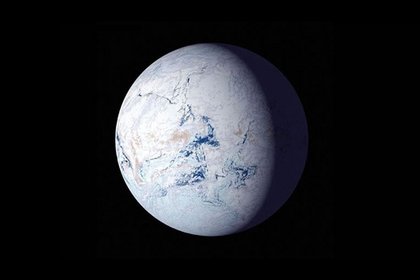
What happens after a snowball Earth melts?
When a snowball Earth deglaciates, the planet transitions rapidly into a hot "supergreenhouse" climate that persists for a hundred thousand years or…
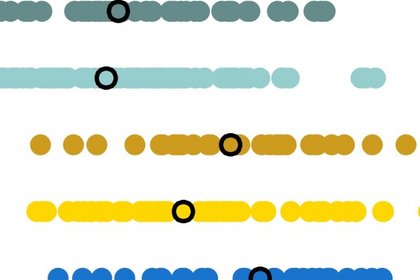
Coupled climate models systematically underestimate the radiation response to surface warming
Do climate models realistically represent the coupling between Earth’s surface warming and the top-of-the atmosphere radiation? Dirk Olonscheck,…
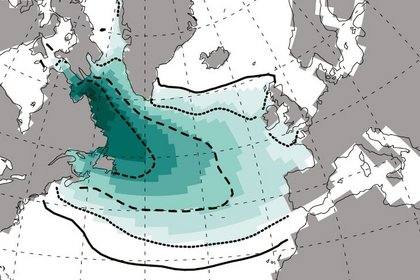
Including icebergs in computer models helps to better understand past climate change
In their new study Olga Erokhina and Uwe Mikolajewicz showed that adding icebergs to climate models can help scientists better understand the…
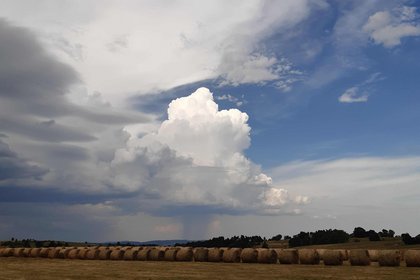
Rain rather likes dry soils in a next-generation global climate model
In a recent study, Dr. Junhong Lee and Dr. Cathy Hohenegger show that a next-generation climate model exhibits a different relationship between water…
Our Research
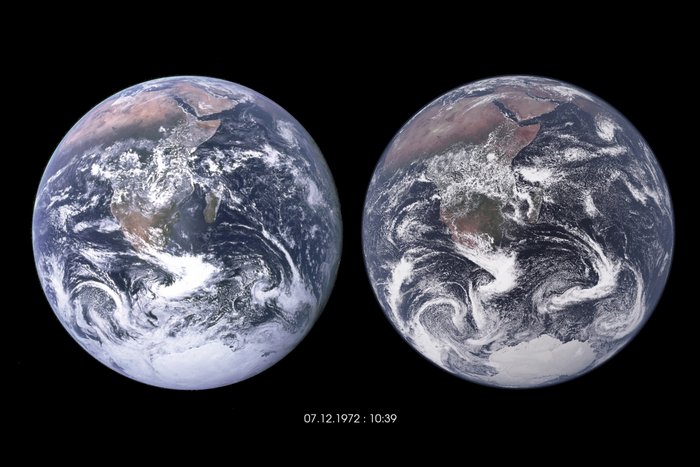
Revisiting the Blue Marble: ICON simulating the coupled climate system at 1 km
The early 1970s is often associated with the birth of the modern environmental movement. In 1970 the first Earth day was celebrated, and Greenpeace was founded in 1971. In March 1972 the Club of Rome published its influential report entitled the “limits of growth”. The growing environmental consciousness was ...
The International Max Planck Research School on Earth System Modelling
The International Max Planck Research School on Earth System Modelling (IMPRS-ESM) offers a structured, interdisciplinary and international program for graduate students who want to earn a PhD degree. The main focus of our doctoral program is to advance our understanding of processes and dynamics in the Earth system as well as our prediction skills.